Matthew Tominc
Chief Investment Officer
Welcome
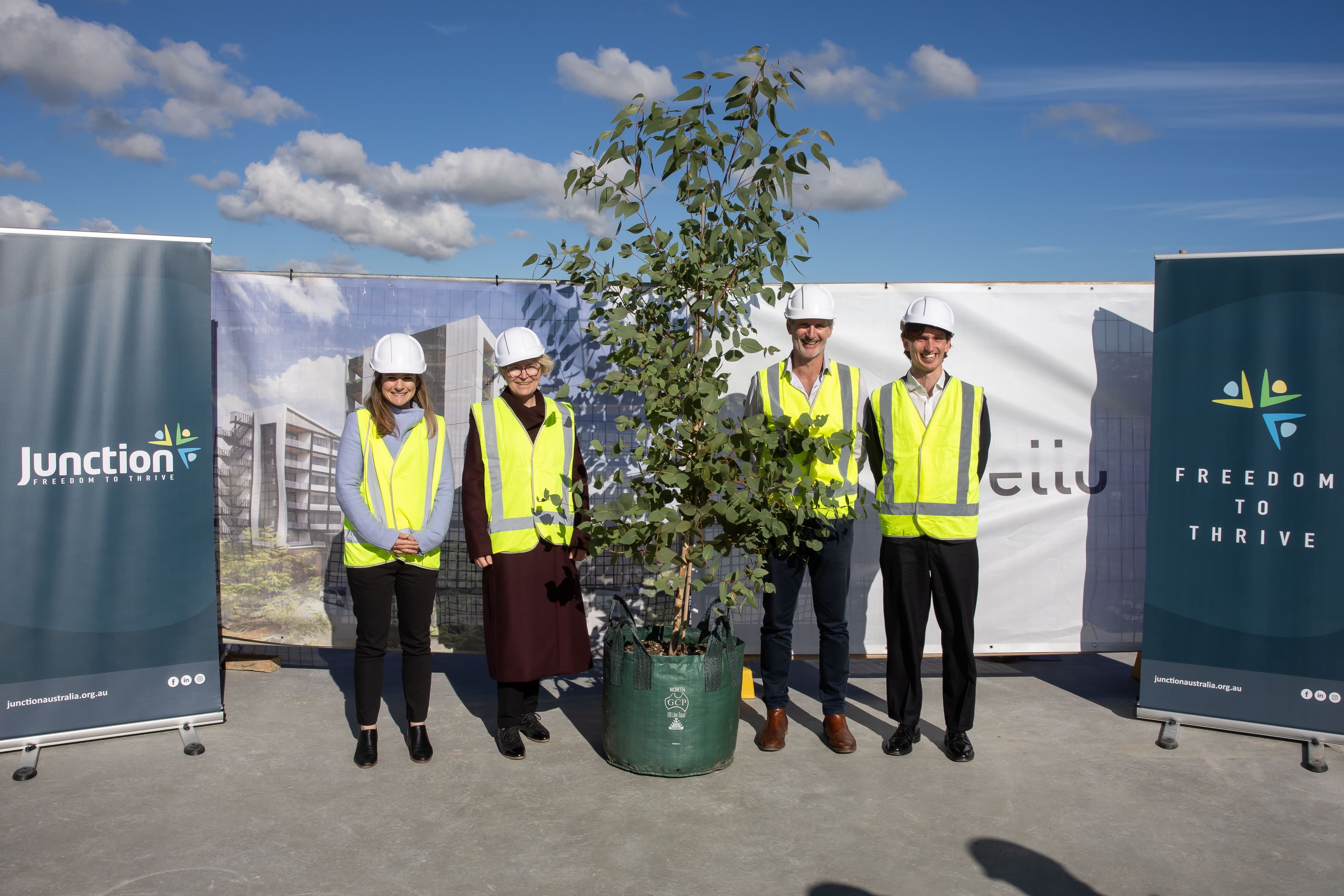
Representatives of CIM and Junction and Women’s Housing at the topping out ceremony for a property being developed, which will include affordable housing dwellings being acquired with financing from CIM-managed funds in Tonsley, SA
We are pleased to release Conscious Investment Management’s sixth annual impact report, which summarises our investing activities, lessons learned and the positive impact that the portfolio has had over the 2026 financial year.
Alongside tenant stories, interviews and lessons learned over the year, highlights in this year’s report include:
- A focus on investing in social and affordable housing under the Housing Australia Future Fund program – where we have contracted to finance 325 new homes across Australia over the last 12 months, creating ~500 new social and affordable housing outcomes, and
- A new partnership that builds on our existing relationship with Greening Australia to deliver meaningful sustainability outcomes.
We encourage you to read this year’s report, which we’ve highlighted on this site. In our report, you’ll find deeper insights into CIM’s initiatives, along with reflections on our ongoing journey - and the lessons we continue to learn - in creating meaningful impact alongside our partners and with the support of our investors.
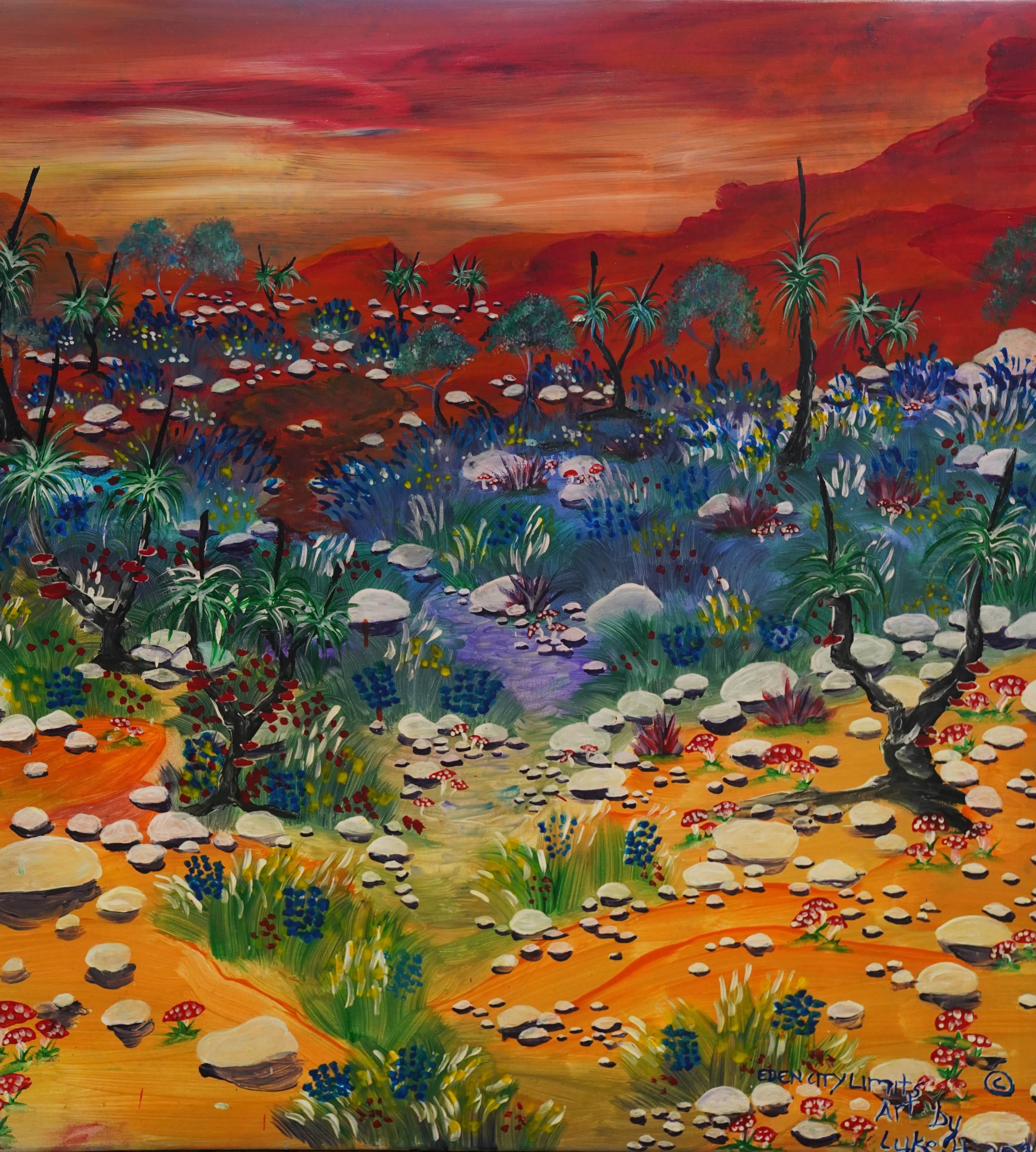
Cover Art: "Eden City Limits" by Luke Hooker. This piece is an Australian landscape backdrop inspired by Luke’s travels across Australia and the many breathtaking gardens and natural landscapes he has encountered along the way. For Luke, an Aboriginal man, this painting represents a sense of home - a connection to the land that has remained constant throughout his journey.
Impact Highlights
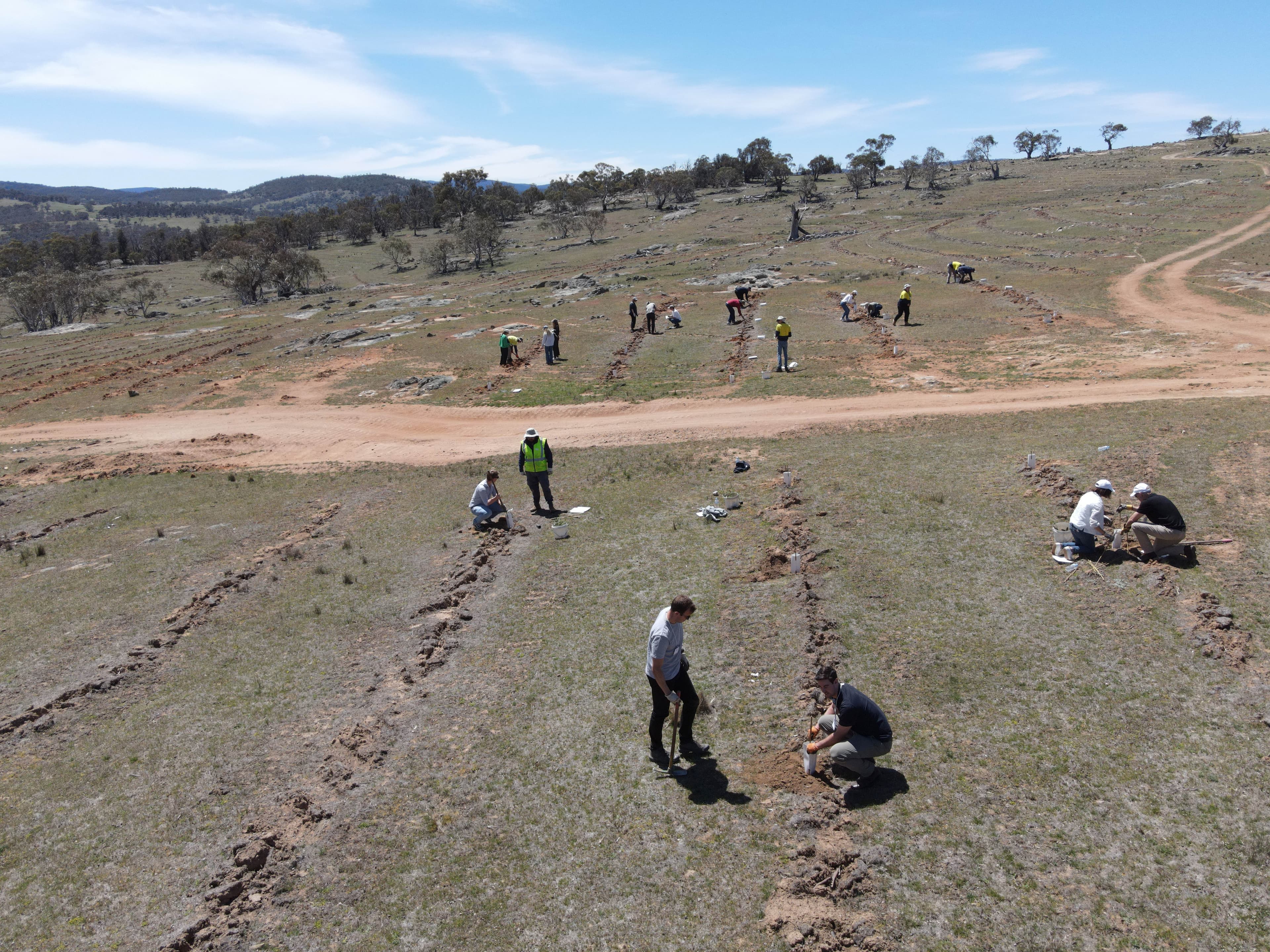
CIM team and investors at a planting day at Nyadinang Najung, a CIM financed biodiverse carbon project in Adaminaby, NSW
CIM by the numbers
$430M
Funds Under Management
$633M
of capital dedicated to impact
~$56M
provided for assets intended to be owned by our Impact Partners indefinitely
>700
investors incorporating impact investments in their portfolios
15
Impact Partners supported
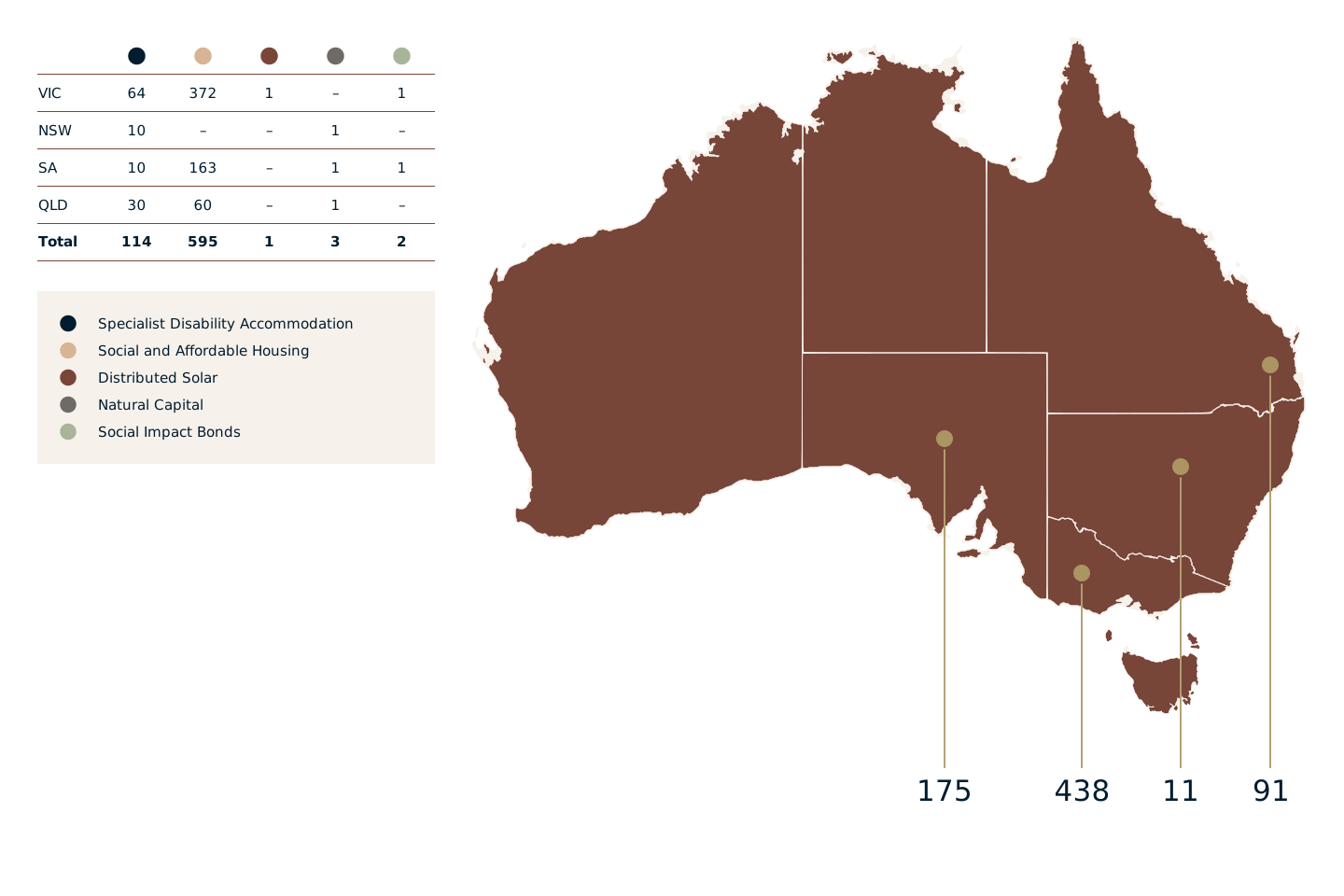
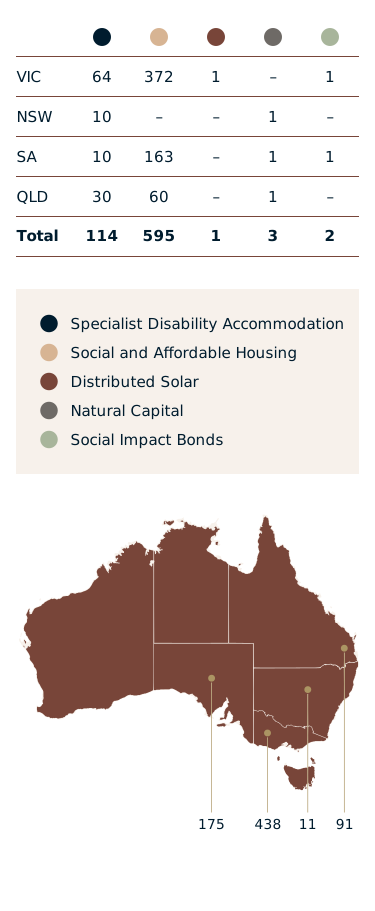
Asset Locations
IMN Scoring
| Asset | IMN Score1 | |
| Carbon Farming | 4.6 | Contributes to Solutions |
| Social Impact Bonds | 4.7 | Contributes to Solutions |
| Specialist Disability Accommodation | 4.4 | Contributes to Solutions |
| Victorian Social and Affordable Housing | 4.8 | Contributes to Solutions |
| Youth Housing | 4.6 | Contributes to Solutions |
| Housing Australia Future Fund Program | 4.5 | Contributes to Solutions |
1Impact Management Norms. Discussed in detail in the 2026 Impact Report.
- 0-2: Act to avoid harm = score between 0 and 2
- 2.1-3.4: Benefit stakeholders = score between 2.1 and 3.4
- 3.5-5: Contribute to solutions = score between 3.5 and 5
About CIM
Conscious Investment Management is a dedicated impact investment fund manager. We were founded in 2019 with a vision for a fairer, more sustainable world where people and the planet thrive.
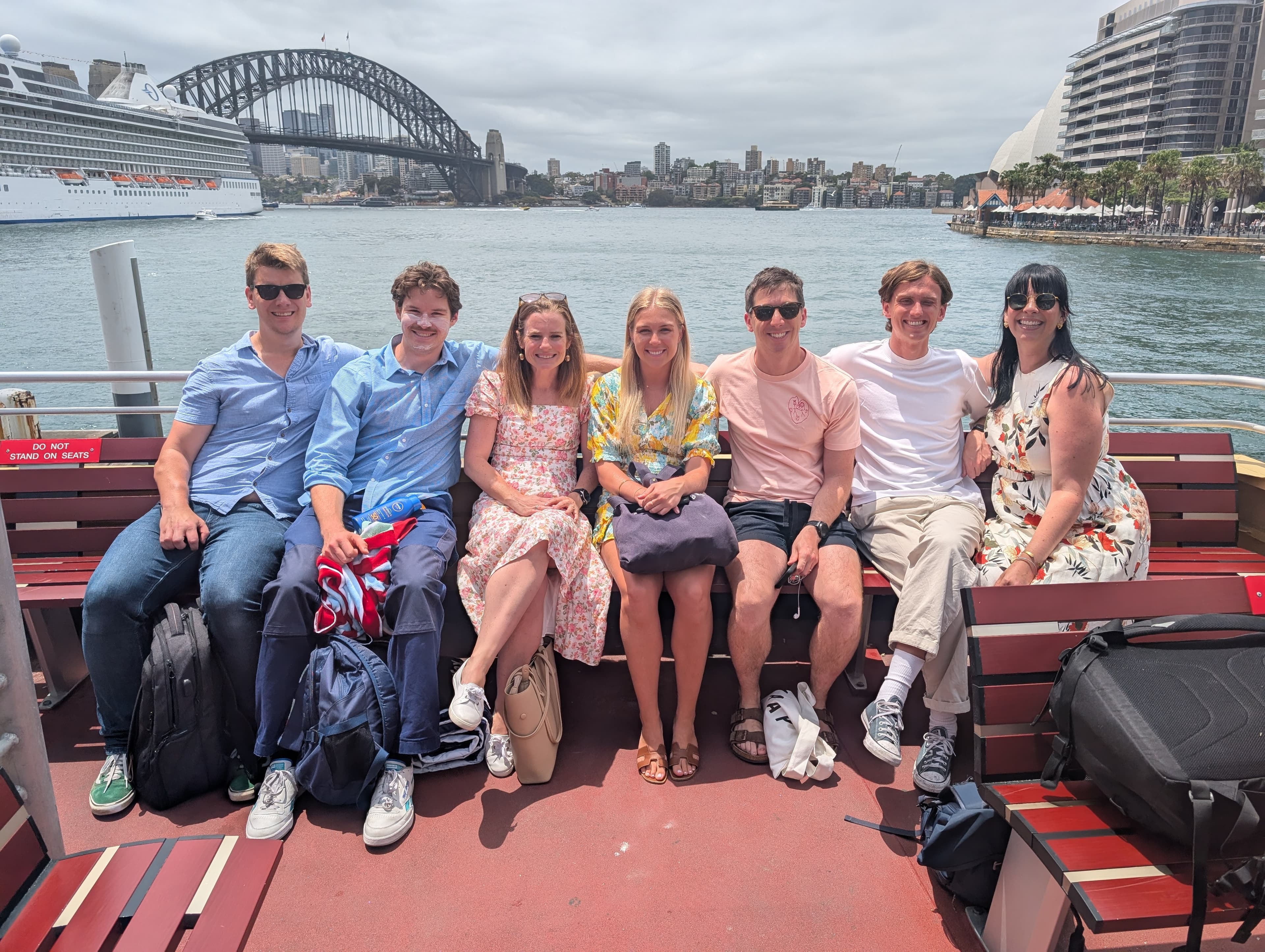
Members of the CIM team on Sydney Harbour
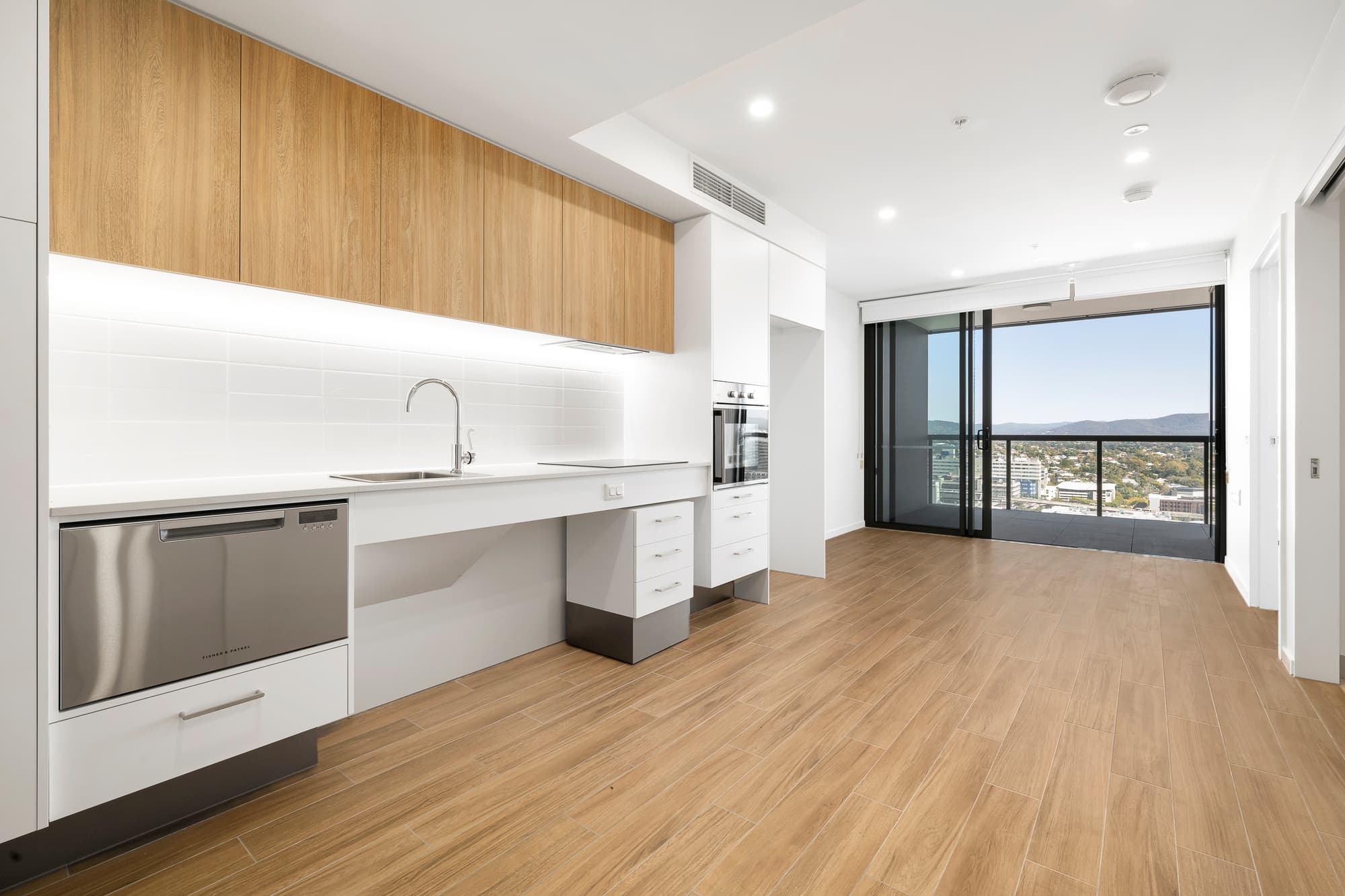
The interior of a Specialist Disability Accommodation dwelling financed by CIM’s managed funds in Bowen Hills, QLD
Our mission is to invest for positive impact and financial returns. We deliver impact investments that are authentic, accessible and scalable.
Our model involves investing in social and sustainability-focused assets, and managing these alongside our Impact Partners (the majority of which are not-for-profits). In this way, we can make financial investments, while ensuring assets are operated for tangible, positive impact.
We focus on investing in real assets across three impact themes:

1. Social Infrastructure

2. Environment and Climate

3. Health and Education
Our funds have invested capital in a range of sectors – including social and affordable housing, Specialist Disability Accommodation, renewable power, carbon farming and social impact bonds.
We believe that great impact investments are made, not found. Our team has experience across leading not-for-profits and institutional investment groups. This unique combination of team experience means we can bridge the impact and investment worlds, and manage the on-the-ground impact of our investments.
Corporate Sustainability
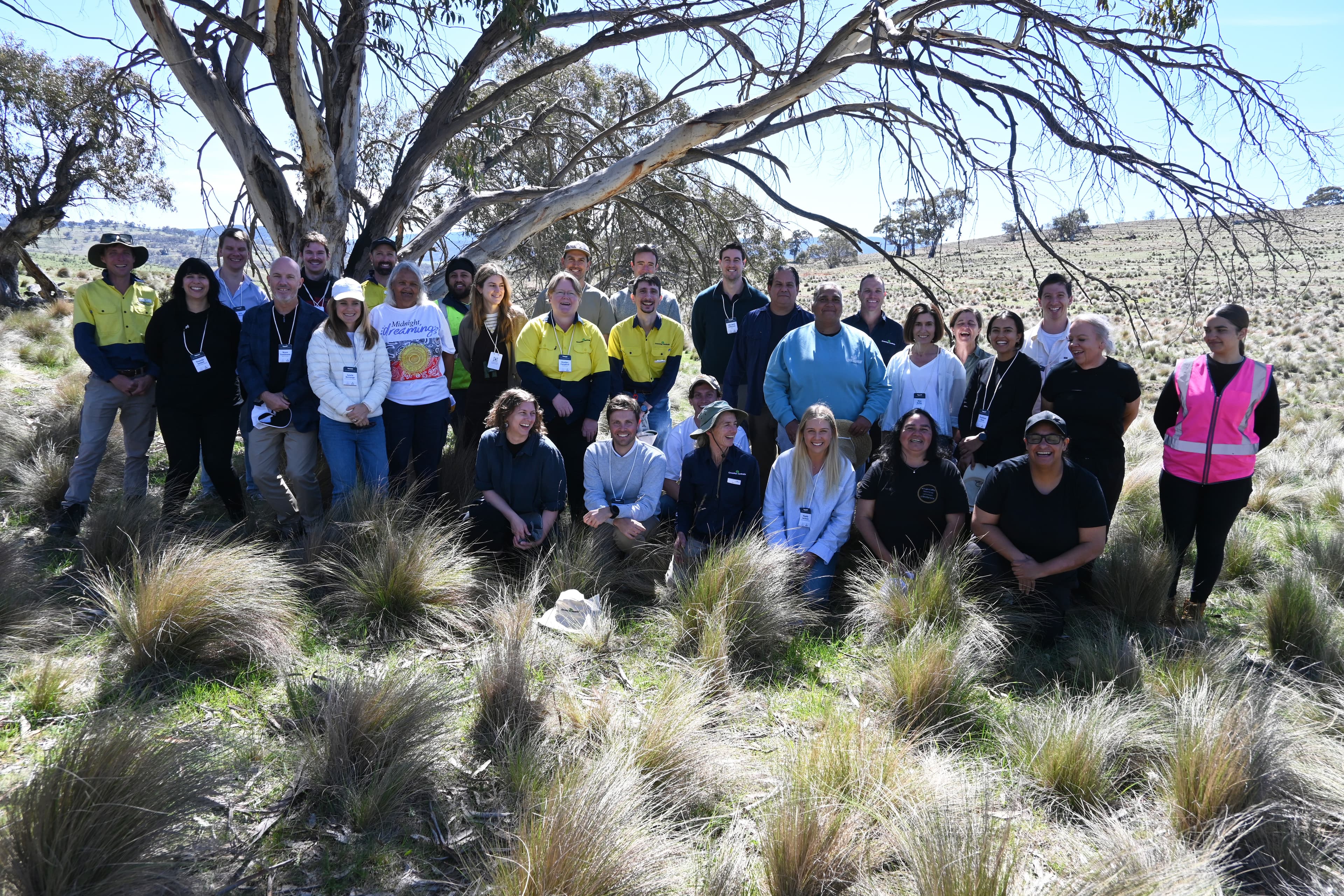
Members of Greening Australia's and CIM's teams, together with CIM investors and representatives from the Wolgalu Traditional Owner Group at Nyadinang Najung, a CIM financed biodiverse carbon investment in Adaminaby, NSW
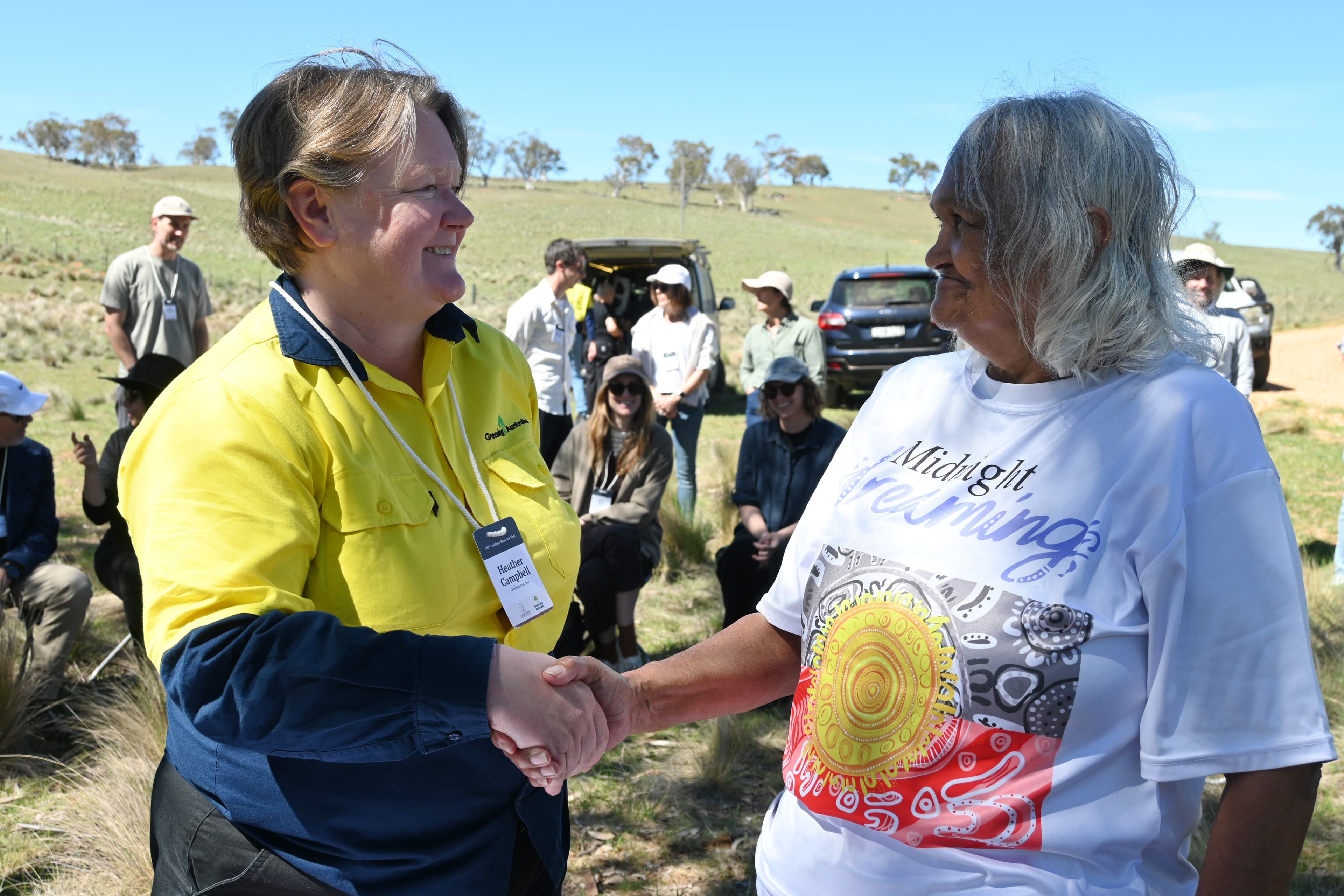
Greening Australia CEO Heather Campbell, and Wolgalu and Wiradjuri Elder Aunty Alice Williams signing the MoU for Nyadinang Najung on Wolgalu Country, NSW
The corporate sustainability of CIM itself is central to achieving our vision and mission. We recognise we must hold ourselves to the highest standards, and embed responsible practices into our broader business.
- CIM has been certified as a carbon neutral organisation by Climate Active since 2020.
- CIM launched its Innovate Reconciliation Action Plan last year and reflects our commitment to move from reflection to action—building meaningful relationships, implementing structured initiatives, and embedding reconciliation into how we invest and operate.
Our Associations
- CIM is a signatory of the Operating Principles for Impact Management.
- In 2022, 2023, 2024, 2025 and 2026 Conscious Investment Management was assessed by Responsible Investment Association Australasia ("RIAA") as a Responsible Investment Leader, which demonstrates leading practice, using RIAA’s Responsible Investment Benchmark Report Australia Scorecard. In addition, the CIM Impact Fund was certified as a 'Sustainable Plus' investment product.1
- CIM was recognised as Impact Asset Manager of the Year at the 2026 Australian Impact Investing Awards, presented at the Impact Investment Summit Asia Pacific. We are very grateful to receive this award in a category of incredible finalists.
Footnote 1: The Responsible Certification Program does not constitute financial product advice. Neither the Certification Symbol nor RIAA recommends to any person that any financial product is a suitable investment or that returns are guaranteed. Appropriate professional advice should be sought prior to making an investment decision. RIAA does not hold an Australian Financial Services Licence.
Social Infrastructure Impact Highlights
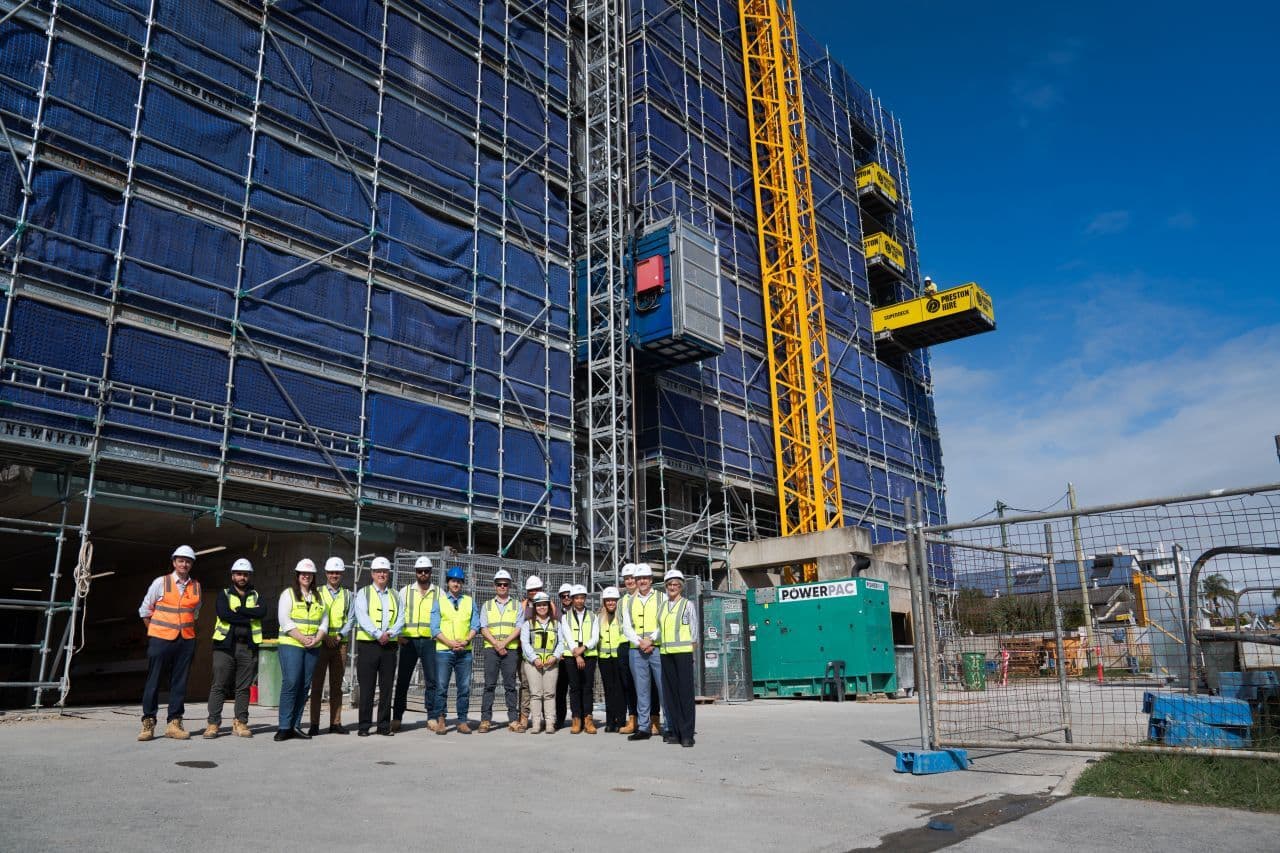
Topping out ceremony for a property being developed, which will include social and affordable housing dwellings being acquired with financing from CIM-managed funds in Margate, QLD
Summary
CIM recognises that Australia has an inadequate supply of stable, appropriate and affordable accommodation, particularly for those on low incomes. Not having secure and appropriate accommodation is often a barrier to educational attainment, stable work, strong health and wellbeing, and family and community relationships.
To address this challenge, we seek to partner with leading Community Housing Providers and Government to fund the development and acquisition of dwellings for social and affordable tenants.
Sustainable Development Goals addressed:

Impact Metrics
595
social and affordable housing dwellings financed
~1,000
people expected to be provided housing
Highlight: CIM Community Housing Fund 1
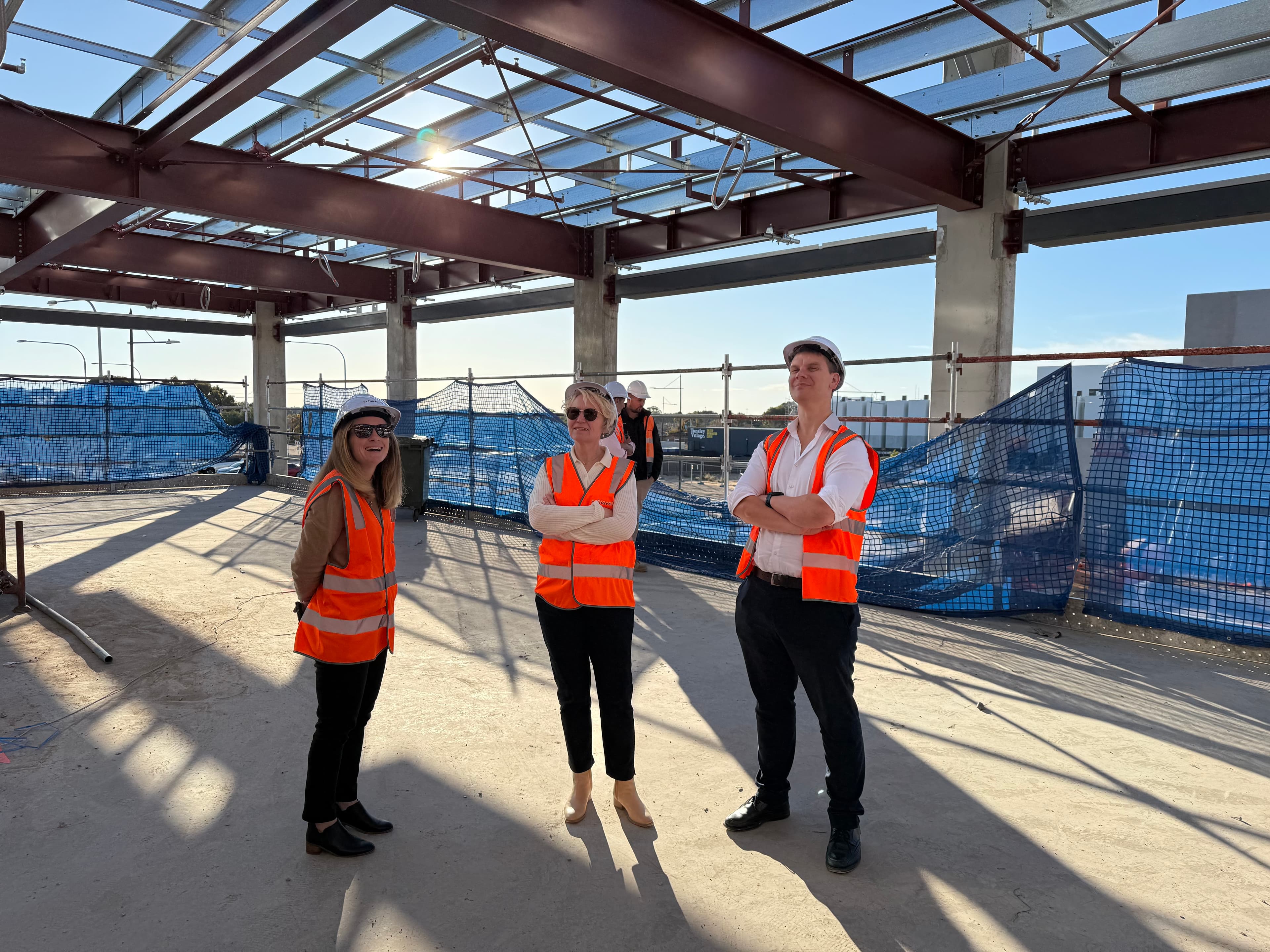
Members of the CIM and Junction teams at an affordable housing project under development being financed by CIM managed funds in Tonsley, SA
Over the past two years, CIM has been focused on investments that scale Australian social and affordable housing through the Housing Australia Future Fund (“HAFF”). After reaching final close on the Conscious Investment Management Community Housing Fund 1 in June 20251, with a total of $181M committed to the fund and its co-investment vehicles, CIM has been focused on deploying this capital over the past year. As at the date of this report, CIM has reached contractual close on five HAFF investments alongside three Tier One Community Housing Providers (“CHPs”) across three states, representing 325 social and affordable dwellings and the allocation of ~$40M of CIM capital.2
CIM’s managed funds have agreed to provide financing for the following HAFF projects to date:
- 102 affordable dwellings in Box Hill, Victoria alongside St George Community Housing.
- 63 affordable dwellings in Tonsley, South Australia alongside Junction and Women’s Housing.
- 60 social and affordable dwellings in Margate, Queensland alongside Bric Housing.
- 40 affordable dwellings in St Clair, South Australia alongside Junction and Women’s Housing.
- 60 social and affordable dwellings in West Lakes, South Australia alongside Junction and Women’s Housing.
Together, these projects represent 325 dwellings and ~500 tenant outcomes in areas with high demand for safe and secure housing, while also providing access to amenities and wrap-around support from our partners.
In addition to the five projects that have recently reached contractual close, CIM’s near-term investment pipeline is seeing us working closely with our CHP partners on a further 13 projects through the HAFF program or State equivalents, across six states and territories. If all projects reach completion, these near-term projects would see CIM’s investors provide financing to deliver over 2,000 new social and affordable dwellings, expected to provide housing to over 3,000 residents.3
Consistent with CIM’s model, these investments are structured with long-term (25-year) payments from Housing Australia, but importantly, put trusted CHPs front and centre.
CIM’s structuring approach prioritises ongoing housing outcomes. Projects are designed so that CHPs retain ownership of properties at the end of the HAFF term, with housing stock to remain within the community housing system, where it can continue to work for future generations.4 While using a different structure, CIM’s early investments into social and affordable housing in Victoria—now operational for over three years—have provided a valuable foundation, directly informing CIM’s HAFF strategy.
Footnote 1: The Conscious Investment Management Social Housing Fund 2 was renamed Conscious Investment Management Community Housing Fund 1 in July 2026.
Footnote 2: Capital committed to signed investments which will be drawn in accordance with our investment terms as the projects reach financial close.
Footnote 3: These opportunities remain subject to ongoing discussions, due diligence, commercial negotiations and receipt of necessary approvals (including from Housing Australia). There can be no guarantee that any or all of these opportunities will proceed to completion or be invested in by any CIM-managed fund, or that the final number of dwellings financed or tenants housed will align with these expectations. Refer to “Important Information” on the final page of this report.
Footnote 4: These assets are acquired by our not-for-profit Impact Partners using funding provided by CIM’s managed funds. Our financing is structured using secured financing arrangements designed such that our financing is repaid over the investment period and the assets will remain with our Impact Partners thereafter. In the event the investment does not proceed as anticipated (for example, in a default scenario), there may be circumstances where the assets are transferred to other parties or financiers and in such cases CIM would be unable to control the ongoing use of the assets. Further, while the intention is that Impact Partners will continue to use the assets for the same purposes following the investment period, CIM cannot control the use of the assets following its exit of the investment.


Environment and Climate Impact Highlights
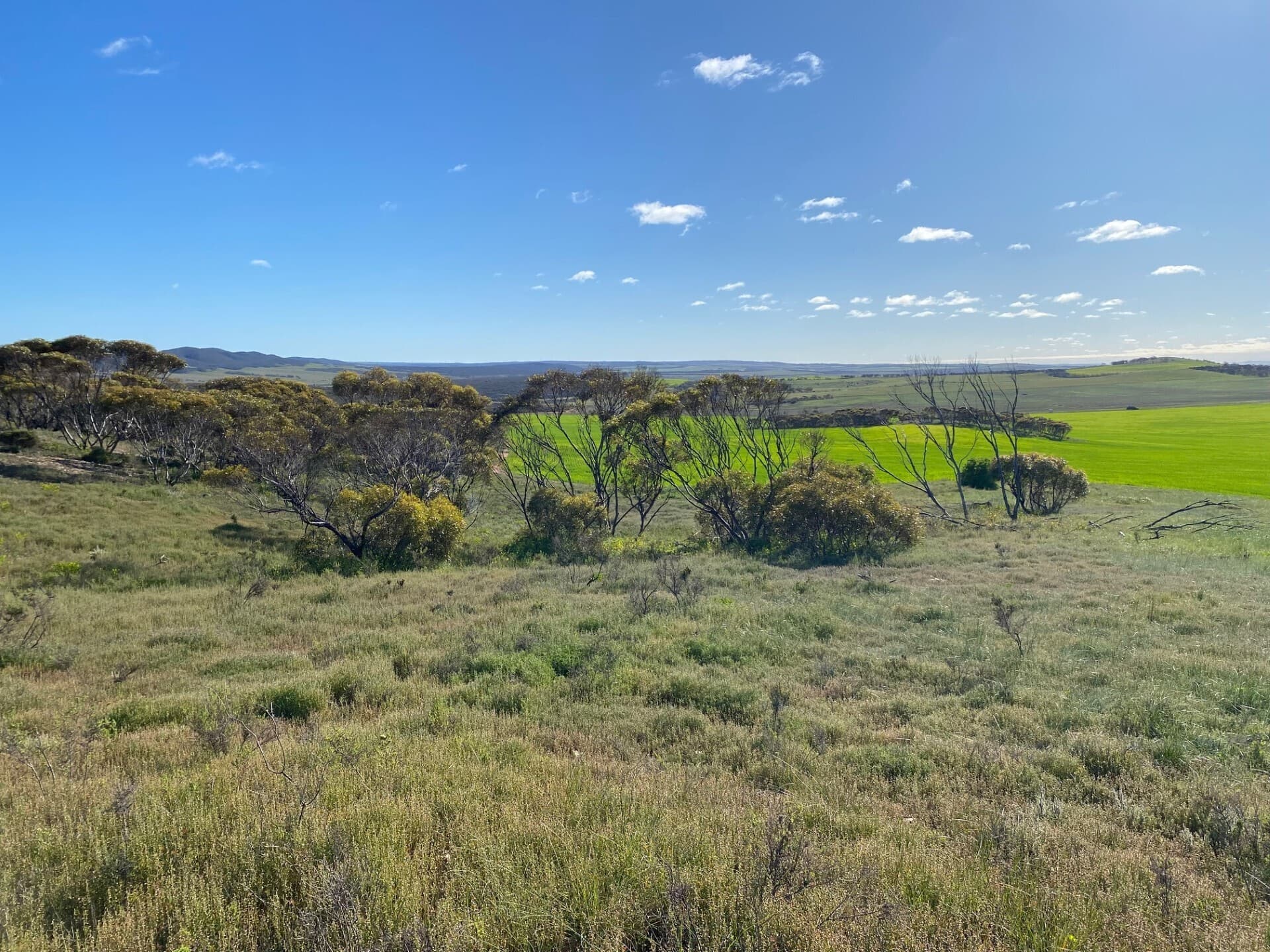
The initial targeted restoration site under our partnership with Qantas and Greening Australia on Barngarla Country on the Eyre Peninsula, SA
Summary
CIM recognises that Australia is facing a dual biodiversity and climate crisis. This is leading to species extinction, collapsing ecosystems, endangered vegetation communities and extreme weather events, which are impacting the health, wellbeing and financial security of many.
Sustainable Development Goals addressed:

Impact Metrics
3
carbon farming projects financed
62
distributed solar assets financed
33,073
MWh of renewable energy generated
Greening Australia Partnership – New Investment

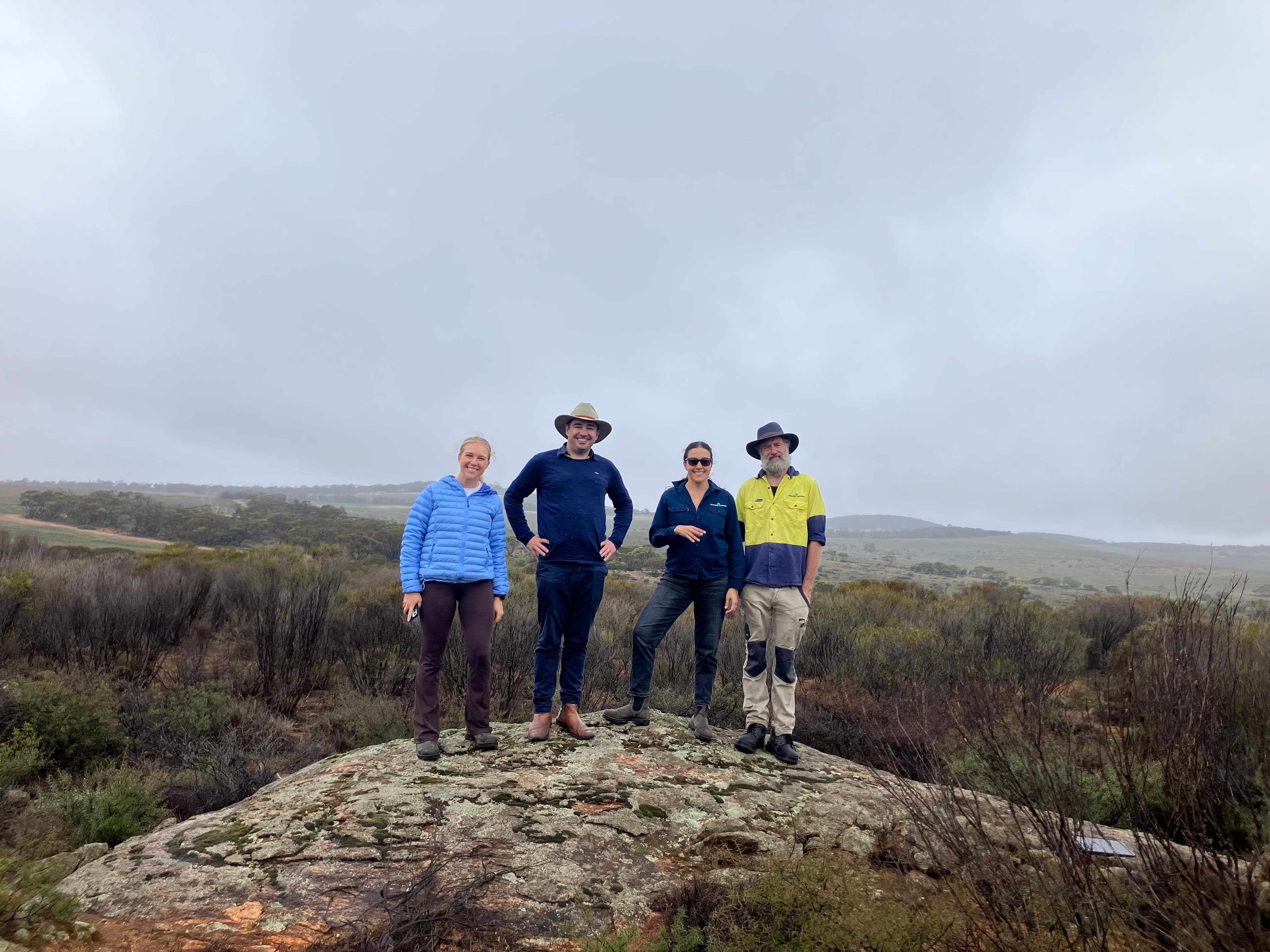
Members of the Greening Australia and CIM team at a property targeted to be the first project under our new partnership with Qantas and Greening Australia in the Eyre Peninsula, SA
In 2024, CIM partnered with Greening Australia under a unique financing structure where CIM’s managed funds provide financing for Greening Australia to acquire land and develop environmental plantings projects across Australia. To date, CIM’s managed funds have financed two environmental planting projects with Greening Australia through our diversified fund.
In 2026, we entered into a new partnership with Greening Australia and Qantas to restore landscapes across Australia with native trees and shrubs over the coming years.
The partnership confirmed it’s targeting an initial project that could see the restoration of nearly 800 hectares of cleared farmland on Barngarla Country on South Australia’s Eyre Peninsula. Subject to approval, over 550,000 native trees and shrubs are expected to be planted on the land from April 2027, with the restoration likely to benefit more than 20 identified threatened plant and animal species, including the Silver Daisy-bush, the Grey Falcon and the Diamond Firetail.
Similar to CIM’s previous investments with Greening Australia, this project is intended to be registered with a 100-year permanence period and is designed so that Greening Australia and its community partners can maintain the reforested land following the carbon crediting period – effectively conserving the habitat on the property for generations.1
Greening Australia Chief Executive Officer Heather Campbell said these projects demonstrate nature and industry can grow together.
We want a future where restoration to rebuild nature is simply how Australia does business, and partnerships like this one show what’s possible when corporates back that vision with real commitment.”
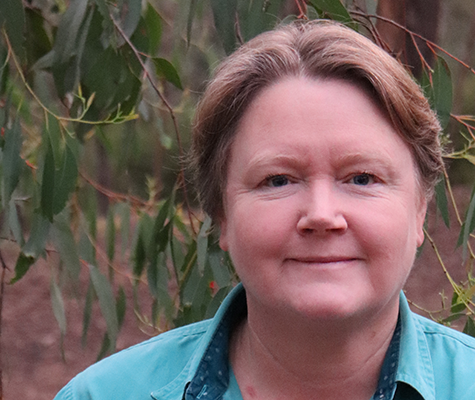
Heather CampbellCEO, Greening Australia
Footnote 1: These assets are acquired by our not-for-profit Impact Partners using funding provided by CIM’s managed funds. Our financing is structured using secured financing arrangements designed such that our financing is repaid over the investment period and the assets will remain with our Impact Partners thereafter. In the event the investment does not proceed as anticipated (for example, in a default scenario), there may be circumstances where the assets are transferred to other parties or financiers and CIM is unable to control the ongoing use of the assets. Further, while the intention is that Impact Partners will continue to use the assets for the same purposes following the investment period, CIM cannot control the use of the assets following its exit of the investment.
Existing First Nations carbon investment
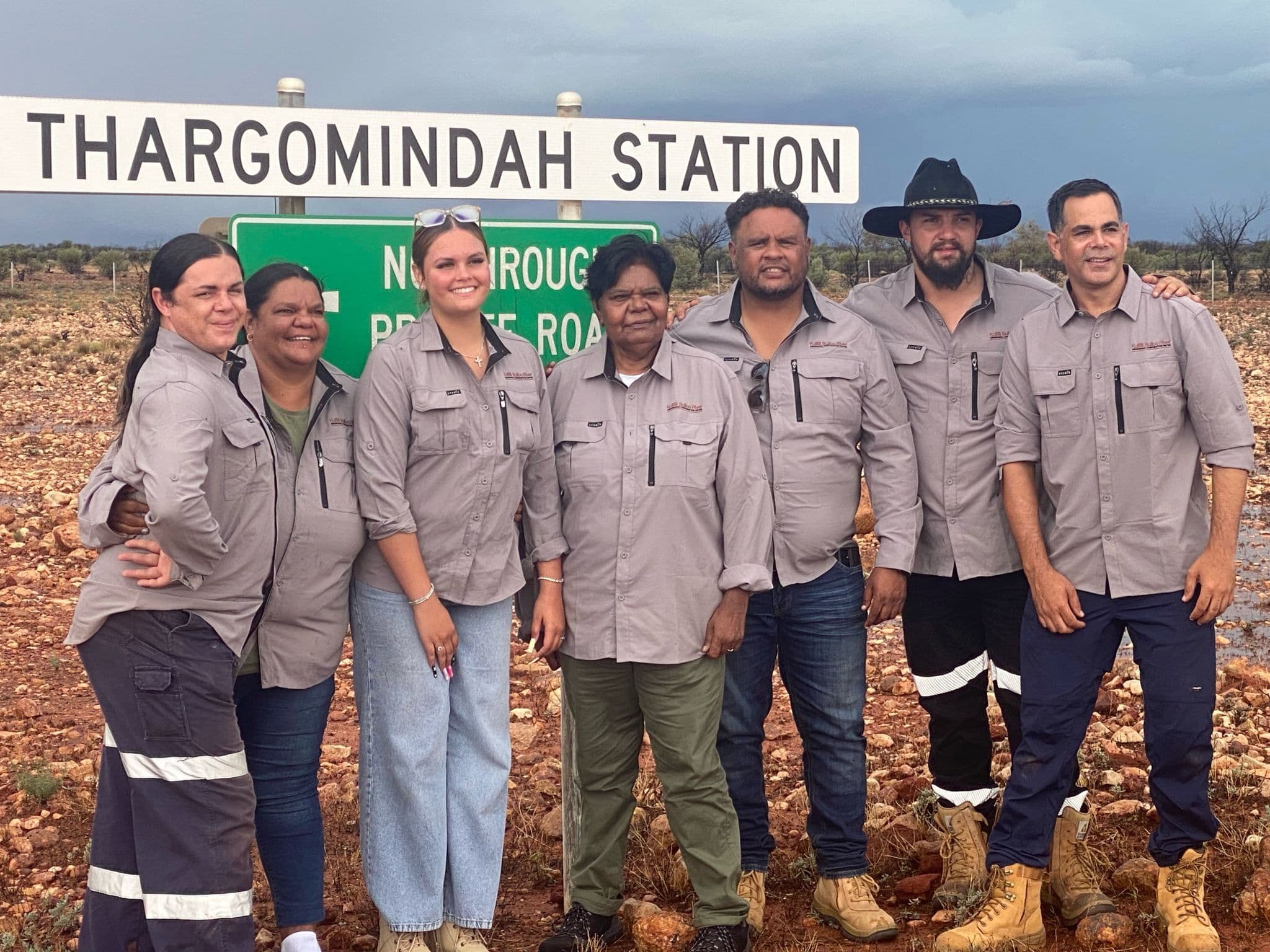
KBRAC Directors and newly appointed rangers on site at Thargomindah Station, a CIM financed First Nations carbon project in Thargomindah, QLD
In 2023, CIM partnered with Traditional Owner group, the Kullilli Bulloo River Aboriginal Corporation ("KBRAC"), and carbon farming service provider, Climate Friendly, to acquire and regenerate Thargomindah Station, a property of deep cultural significance to the Kullilli people. The property has since been registered as a carbon project with the Clean Energy Regulator and the Kullilli people have regained access to their land.
In December 2025, the project successfully passed its first audit and issued its first credits, representing a fantastic milestone for the project. Credits are now expected to be issued on an annual basis, which will be used to repay the loan provided by CIM’s managed fund to the Kullilli people for the next 25-year period. In adherence with method requirements, the project will undergo periodic audits to ensure it continues to meet high integrity standards over time.
In Q1 2026, the Kullilli people welcomed and appointed two new rangers onto the site to learn property management and carbon project management skills. The Kullilli people are currently planning a ranger program to be officially launched later this year, which will welcome more young Kullilli people onto the land, where they will learn skills that can be passed on to younger generations.

Health and Education Impact Highlights
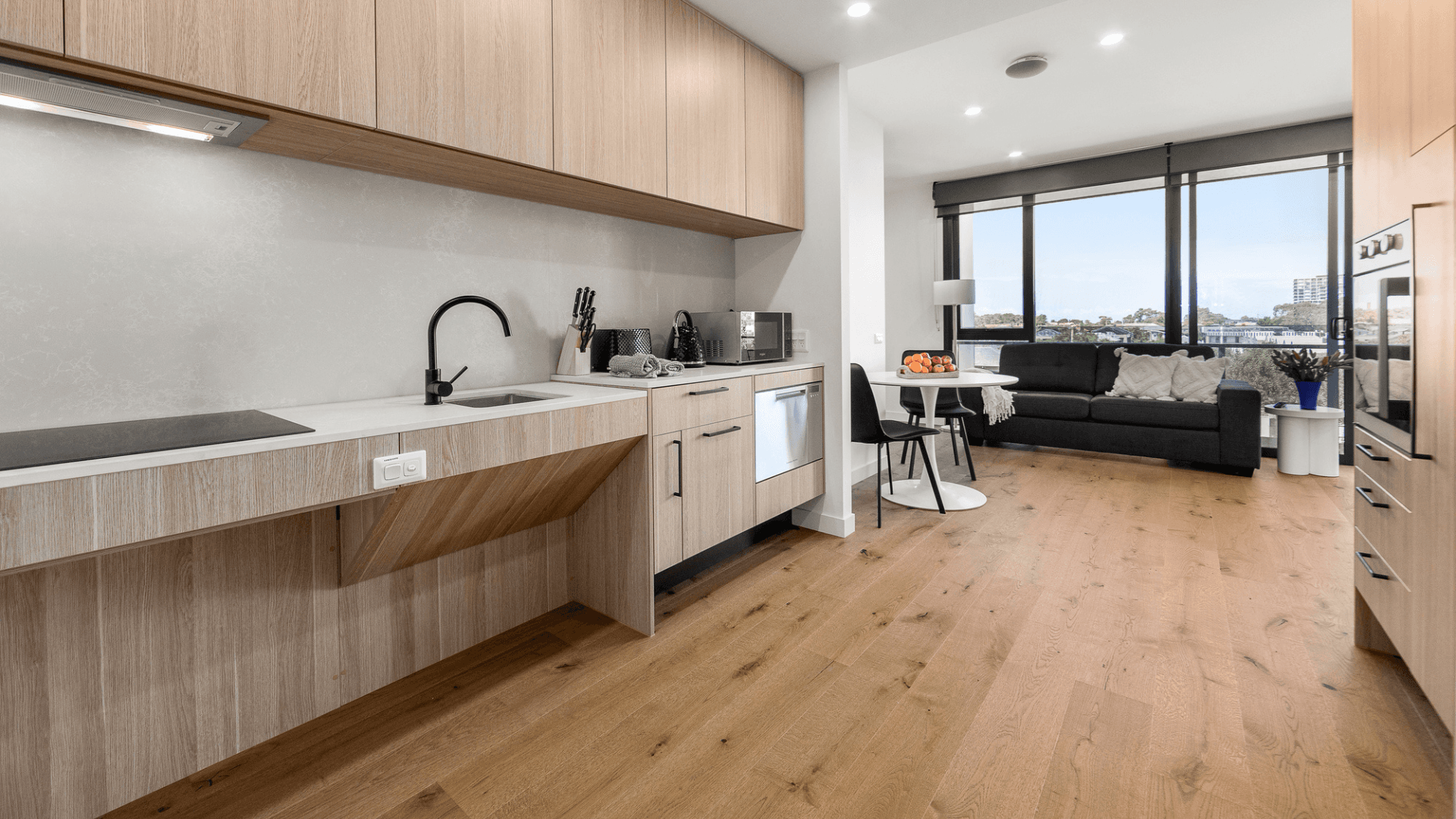
The interior of an SDA dwelling financed by CIM’s managed funds in Maribyrnong, VIC
Summary
Health and education is a fundamental human right and an investment sector with opportunities that are amenable to profit-seeking capital.
Historically, the provision of housing for people with disability has resulted in several challenges, including insufficient capacity, aging housing stock that is no longer fit for purpose, and outdated care models.
Since 2020, CIM has been investing in Specialist Disability Accommodation on the premise that improving housing accessibility for individuals with more complex care needs can in-turn improve their wellbeing, self-worth, and ability to take greater control of their lives.
Sustainable Development Goals addressed:

Impact Metrics
114
Specialist Disability Accommodation apartments financed
295
primary school children supported to engage in school
53
children reunified with their families
Liverty Housing Partnership

CIM has been investing in the Specialist Disability Accommodation ("SDA") sector since February 2020, partnering with Liverty Housing to deliver high-quality, long-term accommodation in undersupplied areas.
To date, CIM has financed 114 SDA apartments alongside Liverty Housing around Australia. Unlike many forms of disability accommodation, these are apartments integrated into standard residential buildings, strengthening tenants' connection to their communities and encouraging genuine independence.
Over the financial year, the Government announced NDIS reforms aimed at improving the scheme's long-term sustainability, but made no specific changes to SDA funding, eligibility or pricing. We do not expect any material impact on our SDA assets.
Liverty Housing, one of Australia's largest SDA providers, continues to develop and pilot new care and housing models, backed by CIM.
As Liverty Housing CEO Stuart Miller notes, "CIM has been leading the way in supporting us to address care deficiencies and ensuring that tenant safety and long-term tenant retention in their homes are the dominant influence."
This year, we share Felice's story, a tenant in a CIM-financed SDA apartment.
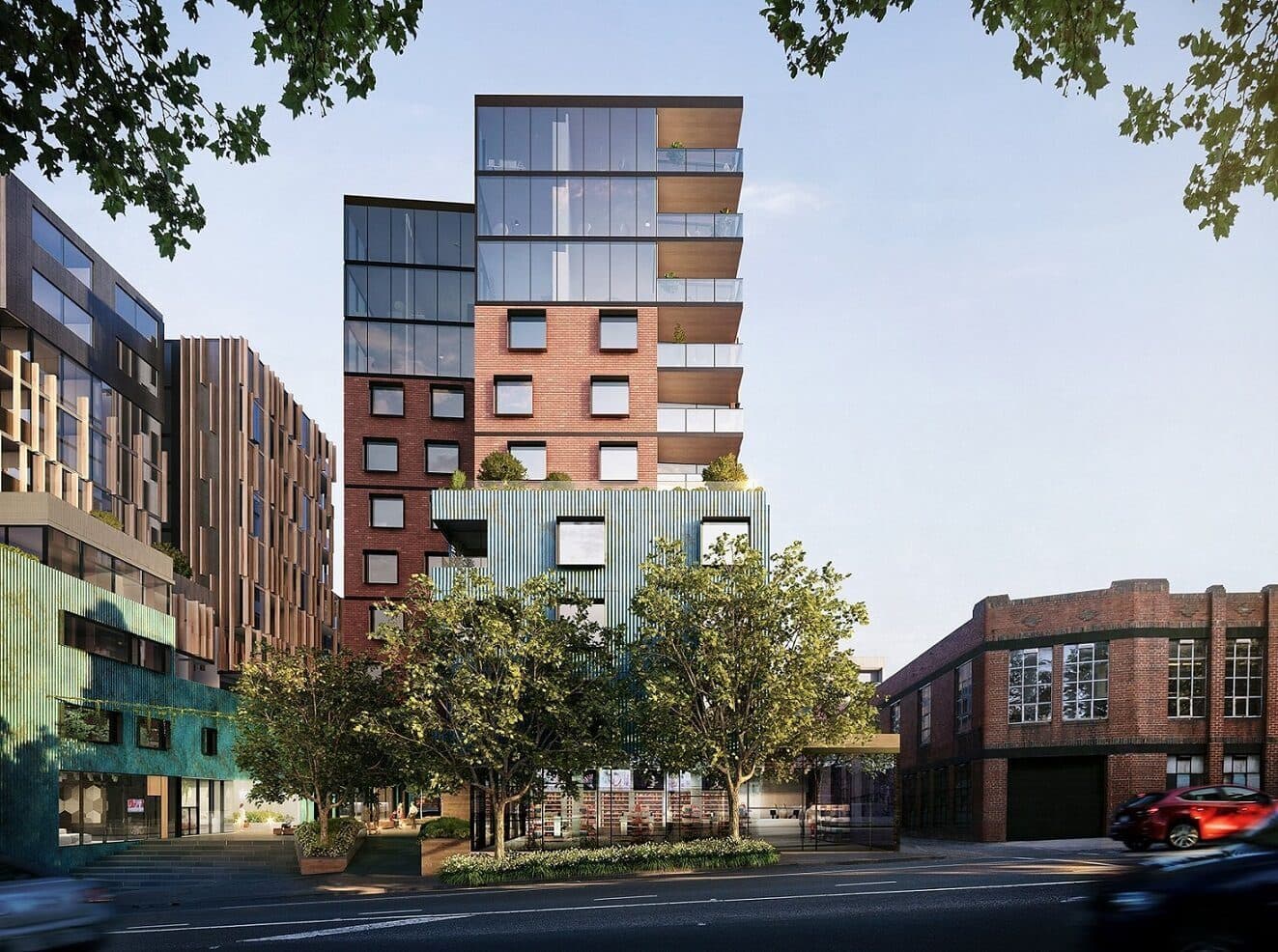
The Spencer, a building which includes SDA dwellings financed by CIM managed funds in West Melbourne, VIC
Tenant Story
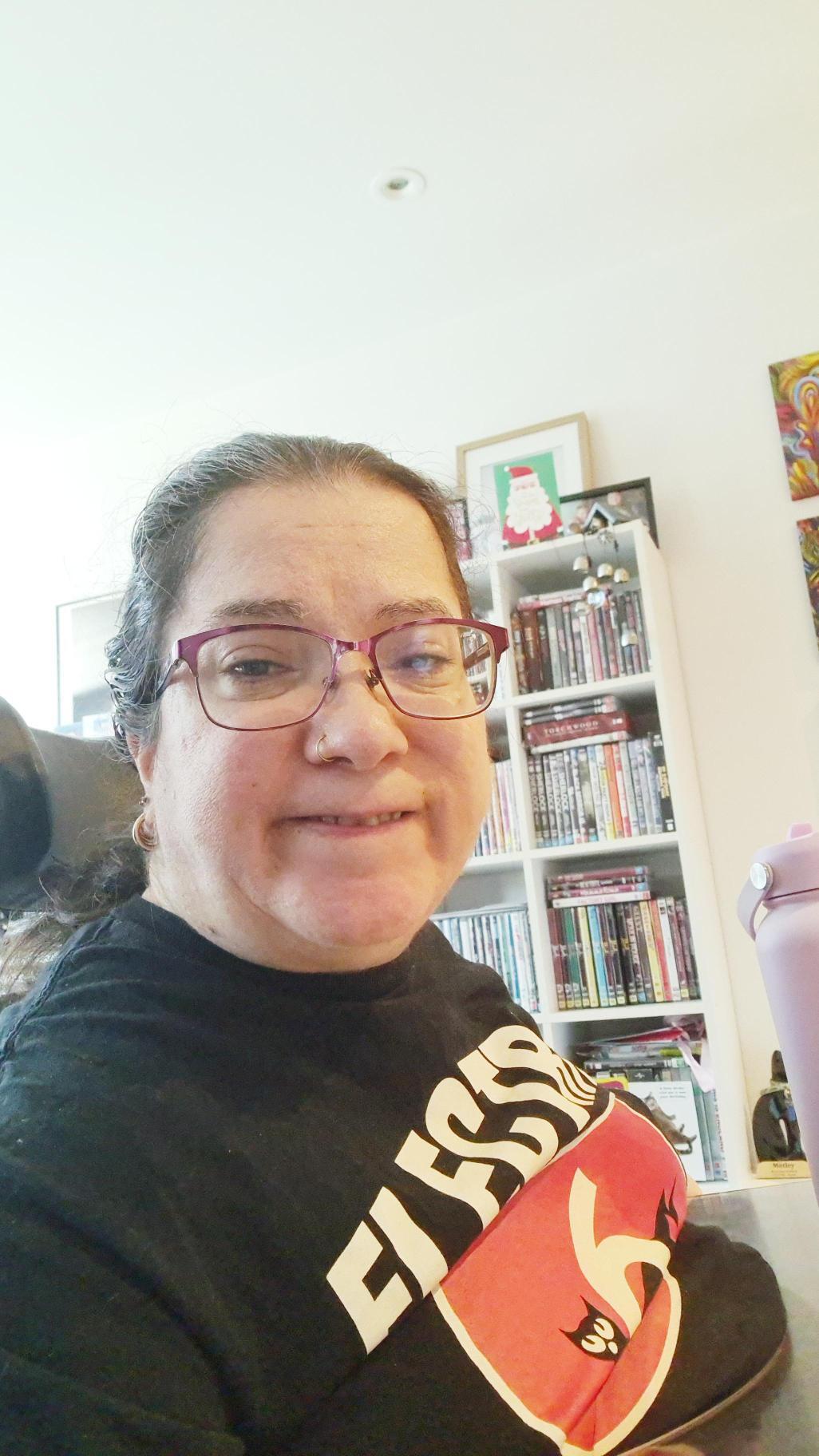
Felice
I am a person in my late forties and a power wheelchair user living with multiple medical conditions.
I have lived in all kinds of housing since leaving my parents’ home at 17. From university residence to share houses, then living with partners to living alone.
In all these situations, I relied on strict rostering set up by support agencies. This left little space for changing plans or emergency support situations. I had to beg for someone to come and help me if I needed to use the bathroom or a change of clothes.
At my last unit, people were afraid to come and assist me because it was government owned high-rise housing. I did have access to After Hours support if I chose to go out at night, but it was pricey, and I didn’t like strangers in my home. My life felt restricted, and I was often depressed. I tried to maintain employment, but it wasn’t being offered to me.
I moved into my new apartment in early January 2021. I have a beautiful garden view from the fourth floor. I now have two cats and part time employment.
The 10:1 support model has changed my life as I can go out and return home at any time I choose, and I have assistance in between regular supports.
I finally have the freedom to explore all my interests and contribute to the community. I am living life, and it truly feels wonderful. I can go to social and professional events looking and feeling my best, without the anxiety that used to be a daily occurrence.